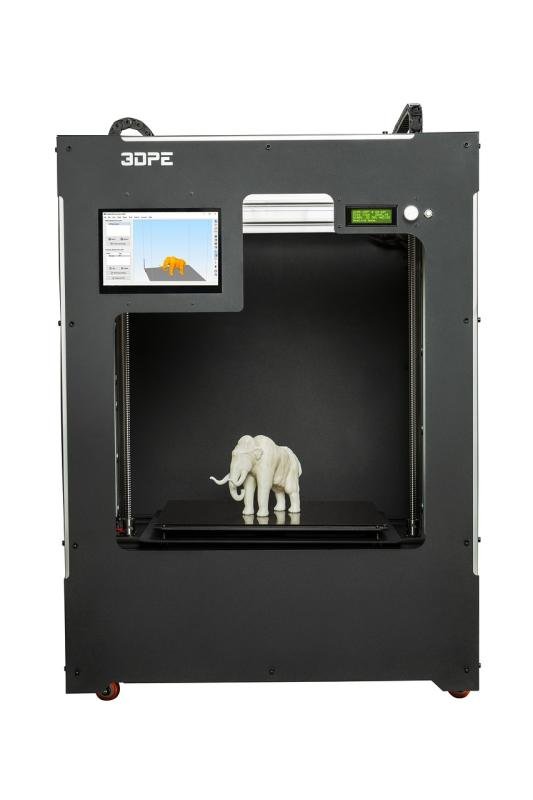
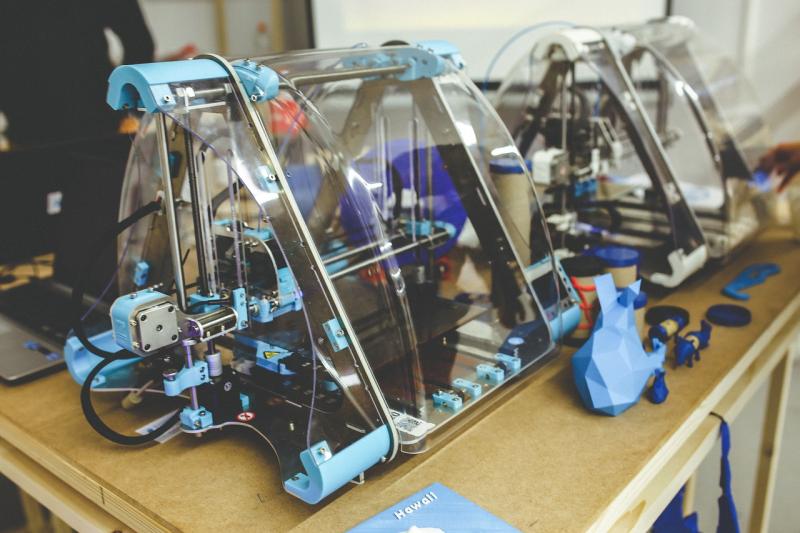
Jumping into 3D printing is super exciting! If you’re ready to start, there are just a few things you’ll want to keep in mind to make the process smooth and fun. First off, pick a printer that suits your needs. Whether you're a hobbyist, a student, or someone looking to create prototypes, there's a printer out there for you.
Once you have your printer, the next step is gathering the right materials. Most beginners go for PLA filament because it's easy to work with and gives great results. Plus, it’s biodegradable, which is a nice bonus! Make sure to stock up on a range of colors to keep things interesting.
Now, let’s talk about software. You’ll need slicing software, which takes your 3D model and prepares it for printing. Popular options like Cura or PrusaSlicer are user-friendly and free. Just load your model, adjust settings like layer height or infill, and you’re ready to roll!
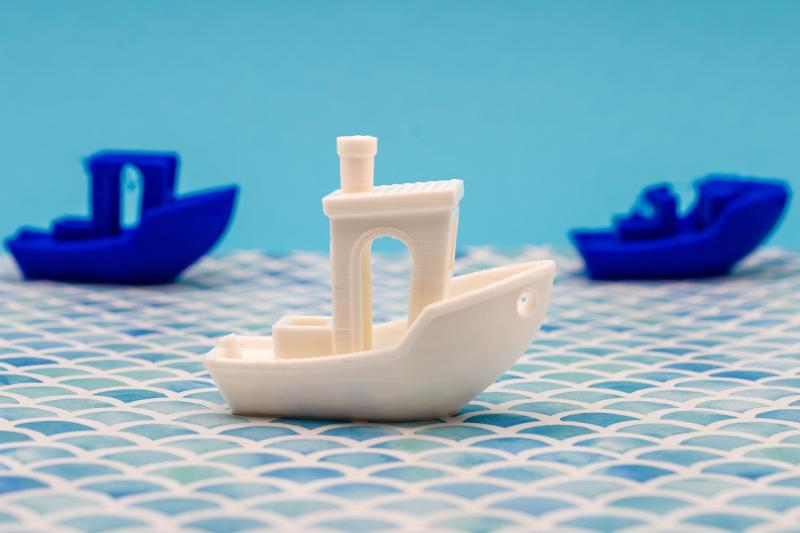
After preparing everything, it’s time for the big moment—printing! Start with a simple project to kick things off. Maybe a small toy or a phone stand? Watch as your printer brings your creation to life. Don’t worry if things don’t go perfectly at first; it’s all part of learning! Enjoy the journey and have fun experimenting.
Types of 3D Printers Explained
3D printers come in a few different types, each with its own special features. You want to pick one that matches your needs, whether you're into hobby projects or serious prototyping. Let's break it down.
First up is the Fused Deposition Modeling (FDM) printer. This is the most common type, and it's great for beginners. FDM printers work by melting plastic filament and laying it down layer by layer. They're perfect for creating prototypes, toys, and even home decor. Plus, they’re often affordable and come in a variety of sizes.
Next, we have Stereolithography (SLA) printers. These use a laser to cure liquid resin into solid objects. SLA printers are known for their high detail and smooth finishes, making them ideal for jewelry, dental models, and intricate designs. Just be aware that resin can be a bit pricier and there's more cleanup involved.
Don't forget about Selective Laser Sintering (SLS) printers. They use a laser to fuse powdered material into solid structures. SLS is used mainly in industrial settings, great for creating complex parts that require durability. They can handle various materials, including nylon and metals, but they come with a higher price tag.
Each type of printer has its perks, so think about what you’ll be making and how much you want to spend. Whether you’re a hobbyist or a professional, there's a perfect 3D printer waiting for you!
Choosing the Right 3D Printer for You
Choosing a 3D printer can feel like a big task, but it doesn’t have to be! Start by thinking about what you plan to create. Are you looking to print toys, household items, or maybe prototypes for a project? Knowing what you want to make can really help narrow down your options.
Consider the type of material you want to use. Some printers work well with plastic filaments like PLA or ABS, while others might let you work with more advanced materials like resin. If you're just starting out, a printer that uses PLA is a friendly choice. It’s easy to handle and you won’t have to worry about too many complexities.
Don’t forget about the printer’s build size. If you want to make larger items, you’ll need a printer with a spacious build area. But if you’re sticking to smaller prints, a compact printer can save some space and typically costs less. Check the specs before you commit!
Finally, think about the ease of use. Look for features like auto-bed leveling and a user-friendly interface. Some models even come with built-in Wi-Fi or mobile apps. These little perks can make your printing experience way smoother, especially if you're new to 3D printing.
Tips for Successful 3D Printing Projects
Getting started with 3D printing can be a bit overwhelming, but with some tips up your sleeve, you’ll be creating awesome projects in no time! First off, always choose the right filament for your project. Whether you’re using PLA, ABS, or PETG, know what works best for your design. PLA is user-friendly and great for beginners, while ABS is tougher and more heat-resistant.
Next, don't skip the bed leveling step. A properly leveled bed makes all the difference in getting a good first layer down. This layer is crucial for the rest of your print. Make sure you take your time here; it’ll save you a lot of headaches later.
Also, pay attention to your printer settings. Each design might need a slightly different approach. Adjust the temperature, speed, and layer height based on what you’re printing. It’s worth experimenting a bit until you find the perfect settings for your materials and projects.
Lastly, keep your printer clean and well-maintained. Regularly check for clogs in the nozzle and keep the print bed clear of debris. A little bit of upkeep goes a long way. With these tips, you'll be on your way to creating some fantastic prints!