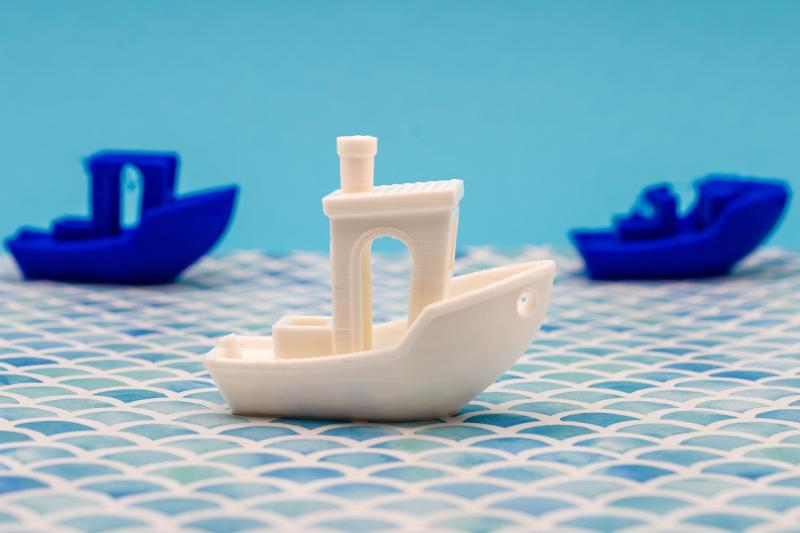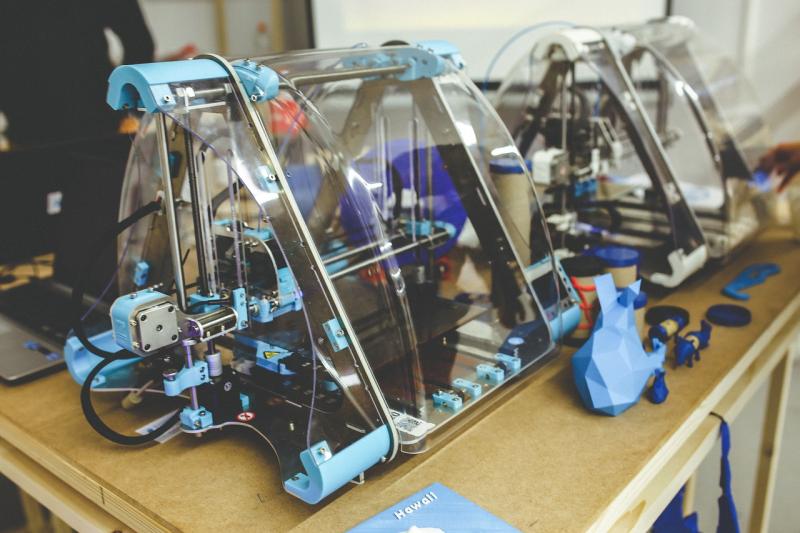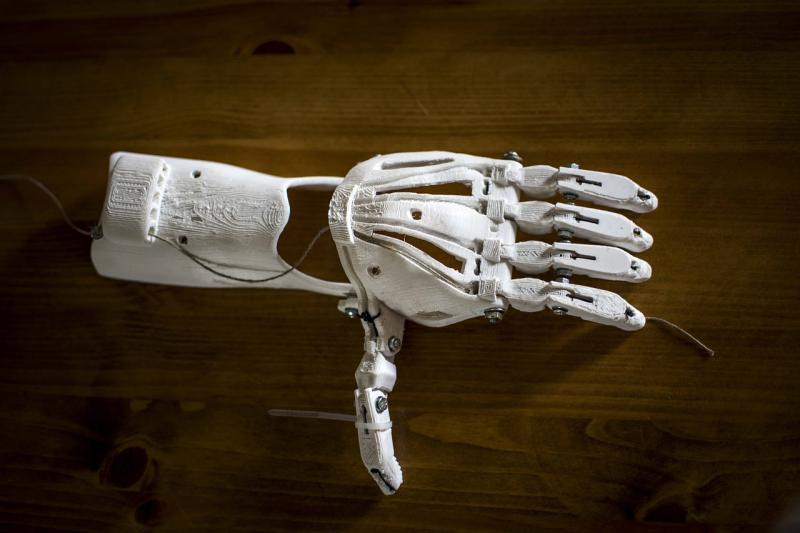
Getting into 3D printing is exciting, especially if you're thinking about starting a small business. First things first, you'll need a good 3D printer. Look for one that's user-friendly and fits your budget. Popular options like the Creality Ender 3 or Prusa Mini are great for beginners. They’re affordable, reliable, and well-supported by the community.
After you've picked your printer, it’s time to download some 3D models. Websites like Thingiverse and MyMiniFactory offer tons of free designs. You can print anything from basic shapes to intricate sculptures. If you’re feeling adventurous, try your hand at designing your own models using software like Tinkercad or Fusion 360. It’s pretty fun to watch your ideas come to life!
Don’t forget about the materials. Filaments like PLA and PETG are beginner-friendly and easy to work with. They come in various colors and finishes, making your products stand out. Just load the filament into the printer, and you’re ready to roll. Quality prints will depend on tuning your printer settings, so don’t skip this step!
Once you have some awesome prints, think about how you can sell them. Set up an online store on platforms like Etsy or Shopify. Showcase your products with great photos and clear descriptions. Keep an eye on trends to see what people are interested in. Being part of the 3D printing community can also help you find new ideas and customers.
Finding the Right 3D Printer
Budget plays a big role, too. A good quality printer can cost anywhere from a few hundred to several thousand dollars. If you're just starting, you might want to look at reliable entry-level models that won't break the bank. Check out reviews to see which printers offer great value without skimping on features.
Consider the materials you'll be using. Some printers work only with specific types of filament, like PLA or ABS, while others give you the flexibility to experiment with different materials. Knowing what you'll print can help narrow your options. If you're into creating prototypes or one-off products, a versatile printer can be a real game changer.
Don't forget about the software that comes with the printer. A user-friendly interface can save you a lot of headaches down the line. Some printers come with software that’s super intuitive, while others may require a bit of a learning curve. Look for printers that have a community of users who share tips and resources; that can be a huge help as you get started.
Design Ideas for Your Business
Starting a small business with a 3D printer opens up a world of creative possibilities! Whether you have a passion for crafting unique items or want to solve everyday problems, you can tap into some awesome design ideas. Let’s dive into a few that can set your business apart.
Customized products are super popular. Think about items like personalized phone cases, custom jewelry, or unique home decor. With a 3D printer, you can easily design and print these items to fit your customers’ tastes. It’s all about providing that personal touch that keeps people coming back for more.
If you're looking at a more functional angle, consider making prototypes or parts for small gadgets. Many businesses are on the lookout for specific components that are hard to find or need a unique twist. With 3D printing, you can create these parts on demand, saving time and resources for your clients.
Another exciting idea is creating educational tools. Teachers and parents love hands-on materials that make learning fun. From 3D models for science classes to playful learning aids for kids, there's a big market for educational products. You could carve out a niche by focusing on this area and helping students engage better with their learning.
Lastly, don’t forget about the benefits of sustainability. Creating eco-friendly products from biodegradable materials can put your business on the map. Not only will you attract environmentally conscious customers, but you’ll also contribute positively to the planet. There’s definitely a growing demand for products that are good for both people and the environment!
Tips for Successful 3D Printing
Starting a small business with 3D printers can be exciting, but getting the hang of it takes some finesse. Here are a few tips to help you succeed in your 3D printing journey.
First off, choose the right printer for your needs. Think about what you'll be printing. Do you want to create detailed miniatures, or are you focusing on larger items? Look for printers that fit your projects. Popular models often have user-friendly interfaces and supportive communities, which is huge for beginners.
Next, get to know your materials. There’s a whole world of filaments out there, from PLA to ABS and PETG. Each has its strengths and weaknesses. PLA is great for ease of use, while ABS is good for durability. Experiment with different types to see which gives you the best results for your designs.
Don’t skip leveling the print bed. A well-leveled bed helps with adhesion and reduces the risk of printing failures. Small adjustments can make a big difference. If your prints start to lift or warp, it's a sign to check that bed level again.
Finally, take advantage of software tools. Software like Cura or PrusaSlicer can help you adjust settings for print speed, temperature, and more. It’s worth spending time learning these tools to optimize your prints and improve quality. Happy printing!