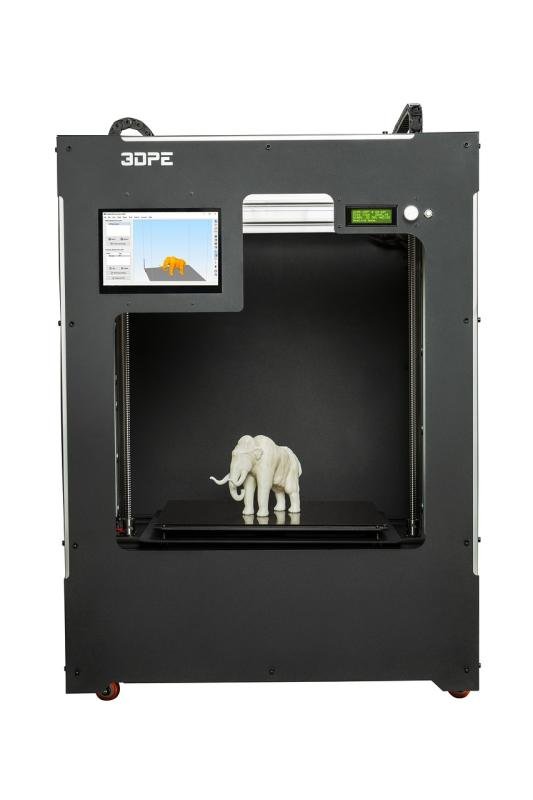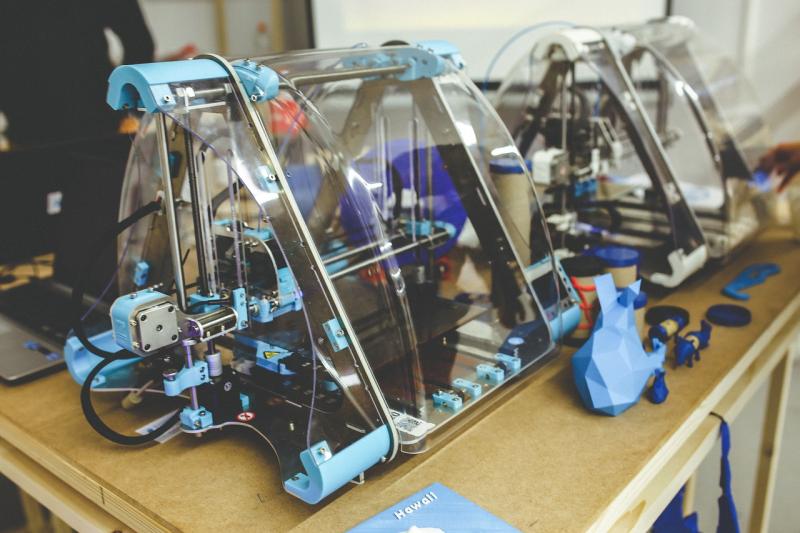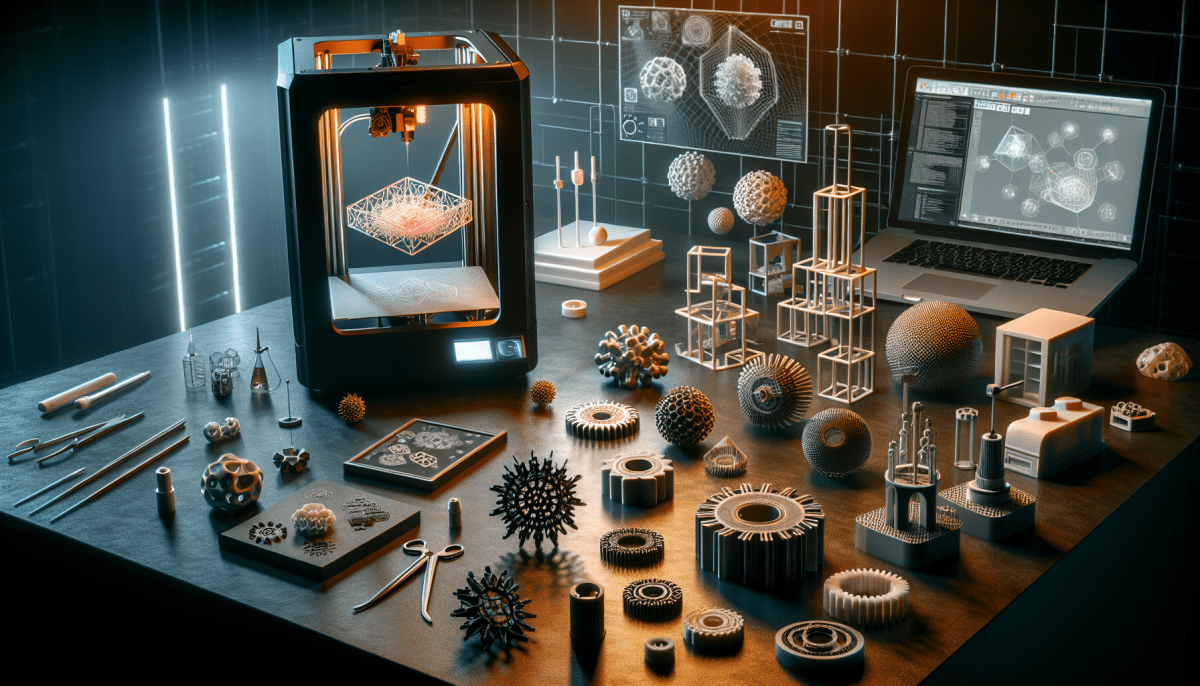
Getting to know 3D printing can feel a bit overwhelming at first, but it's easier than it sounds! At its core, 3D printing is about turning digital designs into real, physical objects. You start with a model created on a computer, and then a 3D printer layers materials to bring that model to life. Simple, right?
There are a few key players in the 3D printing game. First, you have the 3D printer itself, which comes in various types, like FDM (Fused Deposition Modeling) and SLA (Stereolithography). FDM printers use melted plastic, so they’re generally user-friendly and great for beginners. SLA printers use resin and can produce fine details, but they often need a bit more care. Choose the one that matches your needs!
Next up, you have the materials. Common ones include PLA and ABS plastic, but you can also find filaments made from wood, metal, and even flexible materials. Each type has its own perks and quirks, so consider what you want to create before picking your material. If you’re just getting started, PLA is a great go-to option. It’s easy to work with and environmentally friendly.
Lastly, you’ll need slicing software. This is where the magic happens, turning your 3D model into instructions the printer understands. Popular options like Cura or PrusaSlicer are user-friendly, and many printers come with their own software. Don’t skip this step—getting the settings right here can make a huge difference in the final product.
Choosing the Right 3D Printer
Picking the right 3D printer can feel overwhelming at first, but it doesn’t have to be. Start by thinking about what you want to create. Are you into making miniatures, household items, or perhaps some cool gadgets? Knowing your goals helps narrow down your options.
Next, consider the type of printer that fits your needs. FDM printers are great for beginners and perfect for general projects. They use plastic filament to build objects layer by layer. On the flip side, resin printers deliver super detailed results, making them ideal for intricate designs. Both have their pros and cons, so weigh which features matter most to you.
Budget is another biggie. There are 3D printers available in a wide range of prices. You can snag a decent one on a budget, but if you’re serious about your projects, investing a bit more can lead to better reliability and quality. Don't forget to factor in the cost of materials too—some printers can get pricey with filaments and resin.
Finally, research the community and support available. Some brands have great online communities where you can find tips, troubleshooting help, and inspiration. Others might be tough to get support for, so it’s good to choose one with a solid backing. This way, you'll have a helpful network when you run into questions.
Essential Tools for Beginners
If you're just diving into the world of 3D printing, having the right tools can make your journey a lot smoother. Here are some essentials to help you get started:
1. 3D Printer: First things first, you need a solid printer. Look for models that are beginner-friendly, like the Creality Ender 3 or Anycubic i3 Mega. These are reliable and won't break the bank.
2. Filament: You can't print without filament! PLA is a great choice for beginners since it's easy to work with and comes in tons of colors. Stock up on a few spools to test out different designs.
3. Slicing Software: This is the program that converts your 3D models into a language your printer understands. Tinkercad is super user-friendly and perfect for newbies. For more advanced features, check out Cura or PrusaSlicer.
4. Tools and Accessories: Grab a set of basic tools like pliers, a spatula for removing prints, and some sandpaper for smoothing out rough edges. You might also want a pair of gloves and a mask when working with certain filaments.
With these tools in hand, you’ll be ready to start printing amazing things in no time!
Tips for First-Time 3D Printing Success
Getting into 3D printing can be super exciting, but it can also feel a bit overwhelming at first. Here are some handy tips to help you kick off your 3D printing journey with confidence.
First things first, always start with a well-prepared model. Make sure your 3D design is clean and error-free. Use software like TinkerCAD or Blender to create your designs, or download reliable models from places like Thingiverse. Just remember, a solid model leads to better prints!
Next up, check your printer settings. Each printer is a bit different, so take some time to read the manual and understand the settings. Pay attention to layer height, print speed, and temperature. Adjust these settings based on the material you’re using. It might feel like some trial and error at first, but that’s all part of the fun!
Don’t forget about bed adhesion, either. A good first layer is crucial for a successful print. Use glue sticks, painter's tape, or a specialized build surface to help your print stick to the bed. This little step can save you from a lot of frustration down the line!
Finally, be patient and don’t rush the process. Some prints can take a while, so grab a snack and chill while your printer does its thing. Also, don’t be afraid to ask for help in forums or local groups. The 3D printing community is super friendly and always ready to lend a hand!